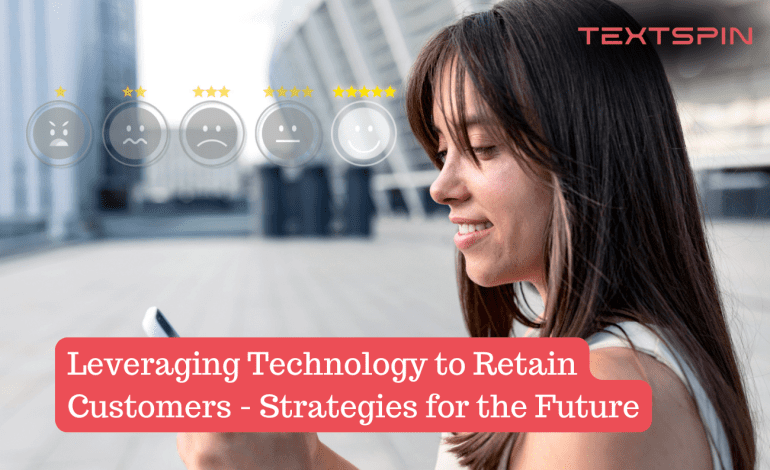
Leveraging Technology to Retain Customers: Strategies for the Future

In today’s fast-paced digital landscape, technology has become a critical tool for small and medium-sized businesses aiming to enhance customer retention. Whether you’re running a coffee shop or a tech startup, leveraging the latest innovations can help you build lasting relationships with your customers while streamlining operations. Let’s dive into some forward-thinking strategies that put technology to work for your business.
1. AI-Powered Personalization: Making Every Interaction Count
Artificial Intelligence (AI) is no longer a futuristic concept—it’s here, and it’s reshaping how businesses connect with customers. Personalized experiences make customers feel valued, driving loyalty and repeat business.
How AI Can Help:
Analyze customer behavior to tailor recommendations.
Use predictive algorithms to suggest products or services at the right time.
Automate personalized email campaigns aligned with customer journeys.
Implement chatbots that improve with every interaction to provide efficient support.
Real-World Example: A retail app that analyzes past purchases and sends a notification: “Hey [Name], your favorite shoes are back in stock—and they’re 20% off today!”
2. Gamification: Turning Engagement into a Game
Gamification isn’t just for gaming companies—it’s an incredibly effective way to engage customers and encourage loyalty. Adding elements of fun and rewards keeps customers coming back for more.
Ways to Gamify Customer Retention:
Reward systems where points can be redeemed for discounts or gifts.
Challenges that incentivize customers to try new products or hit milestones.
Tiers or levels that unlock exclusive perks as customers progress.
Badges or achievements for completing specific actions, like repeat purchases.
Example: A fitness app challenges users to a 7-day workout streak, rewarding them with a discount on premium features upon completion.
3. Virtual and Augmented Reality: Immersive Customer Experiences
Virtual Reality (VR) and Augmented Reality (AR) are game-changers for creating memorable customer interactions. These technologies offer immersive experiences that set your business apart.
Innovative Applications of VR/AR:
Virtual showrooms for customers to explore products in 3D.
AR apps allowing users to “try on” clothes or visualize furniture in their homes.
Virtual tours showcasing your facility, hotel, or event space.
AR-based customer support, where technicians guide users through troubleshooting remotely.
Example: An eyewear brand uses AR to let customers virtually try on frames before buying.

4. Predictive Analytics: Staying One Step Ahead
Predictive analytics uses data to anticipate customer needs and address potential issues before they arise. It’s a proactive approach to customer retention.
How to Use Predictive Analytics:
Identify at-risk customers by analyzing usage patterns.
Proactively offer solutions, discounts, or training to increase engagement.
Predict product or service upgrade opportunities and suggest them at the right time.
Plan maintenance or service schedules for physical products.
Example: A software company identifies customers underutilizing its platform and offers free webinars to boost their understanding and satisfaction.
5. Omnichannel Experiences: Seamless and Consistent Interaction
Today’s customers expect consistency across platforms, whether they’re shopping online, on mobile apps, or in physical stores. An omnichannel strategy ensures seamless customer interactions, building trust and loyalty.
Omnichannel Best Practices:
Sync customer data across all channels for a unified experience.
Offer options like “buy online, pick up in-store” or “check in-store availability.”
Use geolocation to personalize in-store experiences for app users.
Provide consistent customer support across all touchpoints.
Example: A bookstore app allows customers to scan books in-store, read reviews, and add them to their wishlists for future purchases.
6. Mobile-First Loyalty Programs: Meeting Customers Where They Are
With smartphones as constant companions, a mobile-first loyalty program can significantly enhance retention. Mobile apps provide a convenient platform to engage customers and reward loyalty.
Features of a Mobile-First Loyalty Program:
Exclusive mobile deals and promotions.
Push notifications for personalized offers and reminders.
Seamless mobile payment options.
Automatic reward tracking and redemption.
Example: A coffee shop app lets users pre-order, pay, and automatically earn points toward free drinks.
7. The Internet of Things (IoT): Connecting Customers to Your Products
IoT technology enables businesses to create smarter, more connected products, enhancing customer experiences and retention.
How IoT Boosts Retention:
Smart devices that self-diagnose and alert users about maintenance.
Usage data to offer personalized tips or upgrades.
Subscription services tied to real-time usage patterns.
Online communities where customers can share tips and insights.
Example: A smart thermostat company sends notifications about energy-saving tips based on real-time usage data.

8. Chatbots and Conversational AI: 24/7 Customer Support
Chatbots powered by conversational AI provide instant customer support, meeting the modern demand for quick resolutions.
Benefits of Chatbots:
Immediate responses to common inquiries.
Ability to handle multiple conversations simultaneously.
Integration with live agents for complex issues.
Data collection to improve future interactions.
Example: An online retailer uses chatbots to help customers track orders, process returns, and suggest complementary products.
9. Advanced CRM Systems: Building Deeper Connections
Customer Relationship Management (CRM) systems are the backbone of effective customer retention strategies. Advanced CRMs now offer AI integration for even greater functionality.
What an Advanced CRM Can Do:
Track and analyze customer interactions to tailor future communications.
Automate follow-ups based on customer behaviors.
Provide insights into sales trends and customer preferences.
Help teams collaborate to deliver consistent experiences.
Example: A spa uses its CRM to remind customers of upcoming appointments and offer discounts on repeat bookings.
10. Subscription Models: The Ultimate Retention Tool
Subscription models ensure consistent revenue while encouraging repeat engagement. These models work across industries, from fitness to SaaS to retail.
Elements of a Great Subscription Model:
Flexible options tailored to customer needs.
Easy cancellation policies to build trust.
Value-added perks like free shipping or exclusive content.
Bundles that enhance the customer experience.
Example: A beauty brand offers a subscription box with curated products, rewarding loyal customers with first access to new launches.
Wrapping It Up
Leveraging technology to enhance customer retention is about creating a seamless, engaging, and personalized experience. Whether you’re adopting AI for personalization, gamifying the customer journey, or integrating IoT solutions, the goal is the same: making customers feel valued and connected to your brand.
The key to success? Stay innovative, responsive, and attentive to your customers’ evolving needs. As you implement these strategies, track your progress, and adapt based on what works best for your audience.
Retention isn’t just a strategy—it’s a commitment to building relationships that last.
Go Textspin!
Ben.