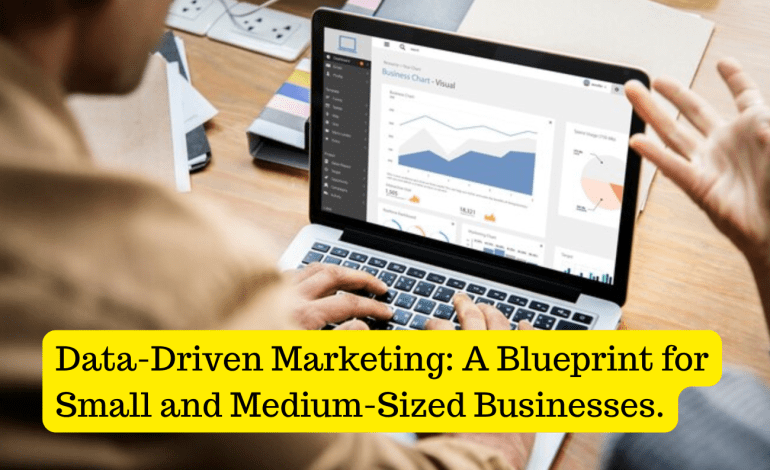
Data-Driven Marketing: A Blueprint for Small and Medium-Sized Businesses.

In an era where customer expectations are higher than ever, leveraging data to inform your marketing strategies isn’t just a competitive advantage—it’s essential. Data-driven marketing empowers small and medium-sized businesses (SMBs) to optimize their efforts, reduce wasteful spending, and create personalized experiences that resonate with their audience.
Let’s explore the practical steps SMBs can take to embrace data-driven marketing and unlock their full potential.
What is Data-Driven Marketing?
Data-driven marketing involves using insights gathered from customer data to shape your marketing strategies. Instead of relying on assumptions or gut feelings, it’s about making informed decisions based on measurable metrics such as customer behavior, demographics, and preferences.
Think of it as crafting a well-informed roadmap that not only guides your marketing but also increases efficiency, effectiveness, and ROI.
Why Should SMBs Prioritize Data-Driven Marketing?
Data-driven marketing isn’t just for big corporations with sprawling analytics teams. SMBs stand to gain significant advantages by integrating this approach into their strategies:
1. Cost Efficiency: By identifying what works and what doesn’t, SMBs can allocate resources more effectively, avoiding wasted efforts on underperforming channels.
2. Personalization: Consumers expect brands to understand their needs. Over 70% of customers say they prefer businesses that offer personalized experiences.
3. Competitive Edge: Leveraging data helps SMBs compete with larger businesses by enabling smarter, more targeted campaigns.
4. Improved Customer Retention: Data insights allow SMBs to anticipate customer needs and address them proactively, fostering loyalty.
How to Implement Data-Driven Marketing in Your SMB
1. Define Clear Goals
Before diving into data collection, establish what you want to achieve. Are you aiming to boost conversions, increase brand awareness, or improve customer retention? Defining goals will help you focus on collecting relevant data and tracking meaningful metrics.
2. Invest in Essential Tools
You don’t need a Fortune 500 budget to adopt data-driven marketing tools. Start with cost-effective, user-friendly options tailored to SMB needs:
CRM Software: Tools like HubSpot or Zoho CRM help manage customer interactions and gather valuable insights.
Google Analytics: A free and powerful tool for tracking website performance and user behavior.
Email Marketing Platforms: Services like Mailchimp or Constant Contact provide robust analytics to optimize email campaigns.
Social Media Analytics: Built-in tools from platforms like Facebook or Instagram offer valuable engagement metrics.
3. Collect the Right Data
Not all data is equally useful. Focus on gathering information that aligns with your business goals:
Demographic Data: Age, gender, location, income level, etc.
Behavioral Data: Website visits, purchase history, email opens, social media interactions.
Psychographic Data: Interests, values, opinions, and lifestyle preferences.
Pro Tip: Use online surveys or website forms to collect data directly from your audience.
4. Segment Your Audience
Segmenting your audience allows you to create highly targeted campaigns that speak directly to different customer groups. Common segmentation criteria include:
Demographics: Tailor campaigns for specific age groups or locations.
Behavior: Identify high-value customers or those at risk of churning.
Purchase History: Offer complementary products based on past purchases.
Example: An online boutique might segment its audience into categories like “frequent buyers” and “first-time customers,” creating unique campaigns for each.
5. Leverage Personalization
Personalization goes beyond addressing customers by their first name in an email. It’s about delivering tailored experiences at every touchpoint.
How to Personalize Effectively:
Use purchase history to recommend products.
Send emails that align with a customer’s browsing behavior.
Customize website content for returning visitors.
Employ dynamic ad targeting on social media.
Example: An email subject line like “Your Favorite Sneakers Are Back in Stock!” is far more engaging than a generic “Check Out Our New Arrivals.”
6. Implement Retargeting Campaigns
Retargeting is a powerful way to re-engage customers who have already shown interest in your business.
Steps to Create Retargeting Campaigns:
1. Install tracking pixels on your website.
2. Identify user actions that trigger retargeting (e.g., abandoned carts).
3. Serve ads to these users as they browse social media or other websites.
Example: A local bakery might retarget visitors who viewed its catering page with ads promoting special event packages.
7. Conduct A/B Testing
A/B testing allows you to experiment with different variations of your marketing assets to determine what performs best.
How to Conduct A/B Tests:
Choose a single variable to test (e.g., email subject lines or ad visuals).
Split your audience into two groups and show each group a different version.
Track engagement metrics like click-through rates to identify the winner.
Pro Tip: Regularly test and refine your campaigns to stay ahead of changing customer preferences.
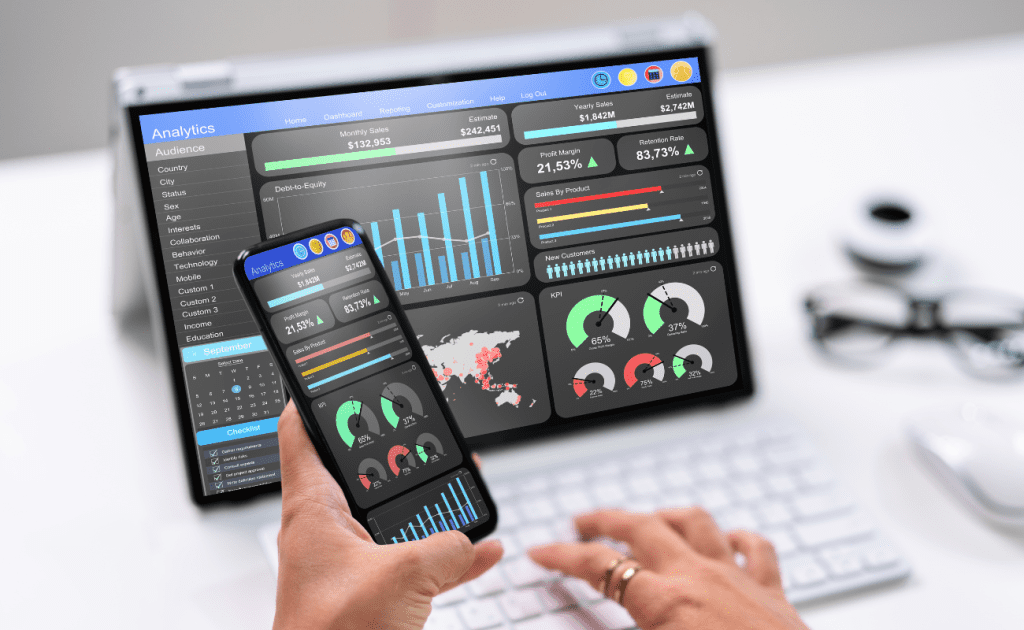
8. Monitor Key Metrics
Track performance metrics to evaluate the success of your marketing efforts and identify areas for improvement.
Important Metrics for SMBs:
Customer Lifetime Value (CLV): How much revenue a customer generates over their lifetime.
Customer Acquisition Cost (CAC): The cost of acquiring a new customer.
Conversion Rates: The percentage of users who take a desired action (e.g., making a purchase).
Website Engagement: Metrics like bounce rates, time on site, and page views.
Overcoming Common Challenges in Data-Driven Marketing
1. Data Privacy Concerns
Customers are increasingly concerned about how their data is used. Be transparent about your practices and comply with regulations like GDPR or CCPA.
2. Limited Resources
SMBs often lack the time or budget for advanced analytics. Focus on affordable tools and actionable insights rather than complex systems.
3. Data Overload
Avoid analysis paralysis by prioritizing metrics that directly impact your goals.
The Future of Data-Driven Marketing for SMBs
As technology advances, the possibilities for data-driven marketing continue to expand:
AI and Machine Learning: Automating complex data analysis to uncover actionable insights.
Voice and Visual Search Optimization: Adapting to new ways customers find products and services.
First-Party Data Strategies: Collecting data directly from customers as third-party cookies phase out.
Final Thoughts: Make Data Work for You
Data-driven marketing doesn’t have to be overwhelming or intimidating. By starting small, focusing on relevant insights, and gradually incorporating new tools and techniques, your SMB can unlock the power of data to attract, retain, and delight customers.
The key is to remain adaptable—what works today might need tweaking tomorrow. But with a strong foundation of data-informed strategies, you’ll be well-equipped to navigate the ever-evolving marketing landscape.
Ready to take the leap?
Start building your data-driven marketing strategy today, and watch your business thrive.
Go Textspin