Maximize Your Content Strategy in 2025: Proven Tips for Small and Medium Businesses

Content creation has become a cornerstone of successful business strategies, especially for small and medium-sized enterprises (SMEs). In 2025, it’s no longer just about producing content—it’s about crafting the right content efficiently to reach your audience and drive meaningful engagement.
Let’s explore the key trends and strategies that will help SMEs elevate their content game this year.
The Changing Landscape of Content Creation
Content creation is evolving at a rapid pace. What worked a few years ago—like posting the occasional blog or sharing generic updates on social media—now requires a more thoughtful and strategic approach. Here are the shifts you need to know:
AI in Content Creation: A Double-Edged Sword
Artificial intelligence has revolutionized content creation, with tools like ChatGPT and Jasper offering unparalleled support for brainstorming, drafting, and even editing. While these tools save time and streamline processes, they can’t replace the human touch that makes your content resonate with readers.
Key Insight: Use AI to assist with repetitive tasks or idea generation, but always review and enhance the output to align with your brand’s unique voice and expertise. Think of AI as a supportive partner, not a replacement for your creative process.
Video Content: A Non-Negotiable in 2025
Video content continues to dominate digital marketing. With 86% of marketers affirming its effectiveness for lead generation, videos—whether short-form reels or long-form tutorials—remain critical for engagement.
Actionable Advice: Prioritize authenticity over production value. Audiences connect more with relatable, real-world content than overly polished productions.
Strategies for Creating Impactful Content
Now that we’ve set the stage, let’s delve into actionable strategies to help your business produce content that resonates and delivers results.

1. Know Your Audience in Depth
Understanding your audience goes beyond basic demographics. Develop detailed buyer personas that capture your audience’s pain points, preferences, and challenges.
Why It Matters: Tailored content has a significantly higher chance of resonating with your audience, driving both engagement and conversions.
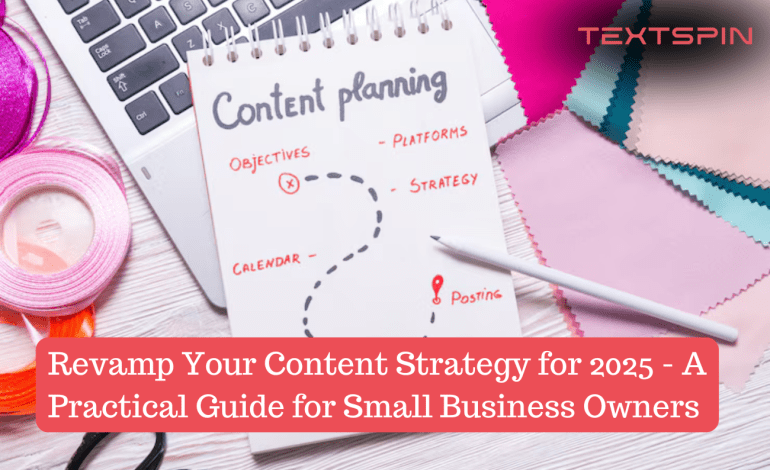
2. Define Clear Goals for Each Content Piece
Every piece of content should serve a specific purpose. Are you looking to build brand awareness, generate leads, or provide educational value? Setting clear objectives ensures your efforts remain focused and measurable.
Example: Instead of “increase traffic,” aim for a measurable goal like “boost organic blog traffic by 25% over the next quarter.”
3. Diversify Content Formats
Relying on a single format, like blogs, limits your reach. Diversify your content to cater to varying preferences and platforms.
Content Types to Explore:
Blog posts
Short and long-form videos
Infographics
Podcasts
Webinars
E-books and whitepapers
Social media series
Pro Tip: Repurpose existing content into multiple formats to maximize its value and reach.
4. Leverage Storytelling for Connection
In an oversaturated digital world, facts and figures alone won’t hold attention. Incorporate storytelling into your content to create emotional connections.
How to Apply: Share customer success stories, behind-the-scenes insights, or even anecdotes that reflect your business values.
5. Optimize for SEO Without Overdoing It
While SEO remains essential, the emphasis has shifted toward creating high-quality, valuable content that naturally incorporates relevant keywords.
Best Practice: Use tools like Google Trends to identify trending topics, but ensure your content prioritizes readability and human engagement over keyword density.
Advanced Tips to Stay Ahead
As content strategies mature, businesses must adopt innovative approaches to stand out:
1. Embrace Interactive Content
Static content is becoming less effective. Interactive formats like quizzes, polls, and 360-degree videos enhance engagement while providing insights into audience preferences.
2. Capitalize on User-Generated Content
Encourage your customers to share their experiences through reviews, social media posts, and video testimonials. User-generated content not only builds trust but also alleviates the pressure of creating everything in-house.
3. Maintain a Strong Email Presence
Despite the rise of new platforms, email remains a powerful tool for distributing content and nurturing relationships. A well-crafted newsletter showcasing your best content and offering exclusive insights can drive consistent engagement.
4. Analyze Performance and Iterate
Use analytics tools to track the performance of your content. Pay attention to metrics like engagement, shares, and conversions, and refine your strategy based on what works.
Example: If short-form videos outperform blogs in engagement, shift resources toward creating more video content.
Tools to Streamline Content Creation
Technology plays a crucial role in efficient content production. Here are some tools that can support your efforts:
Canva: For creating professional visuals.
Hootsuite: For managing and scheduling social media posts.
Lumen5: For creating videos using templates and stock footage.
BuzzSumo: For identifying trending topics and popular content.
Looking Ahead
Content creation in 2025 is about quality over quantity, strategic diversification, and authentic connection. By understanding your audience, embracing new technologies, and staying adaptable, your business can thrive in a competitive landscape.
Remember, a strong content strategy isn’t built overnight. Start small, stay consistent, and focus on creating value for your audience. Success will follow.